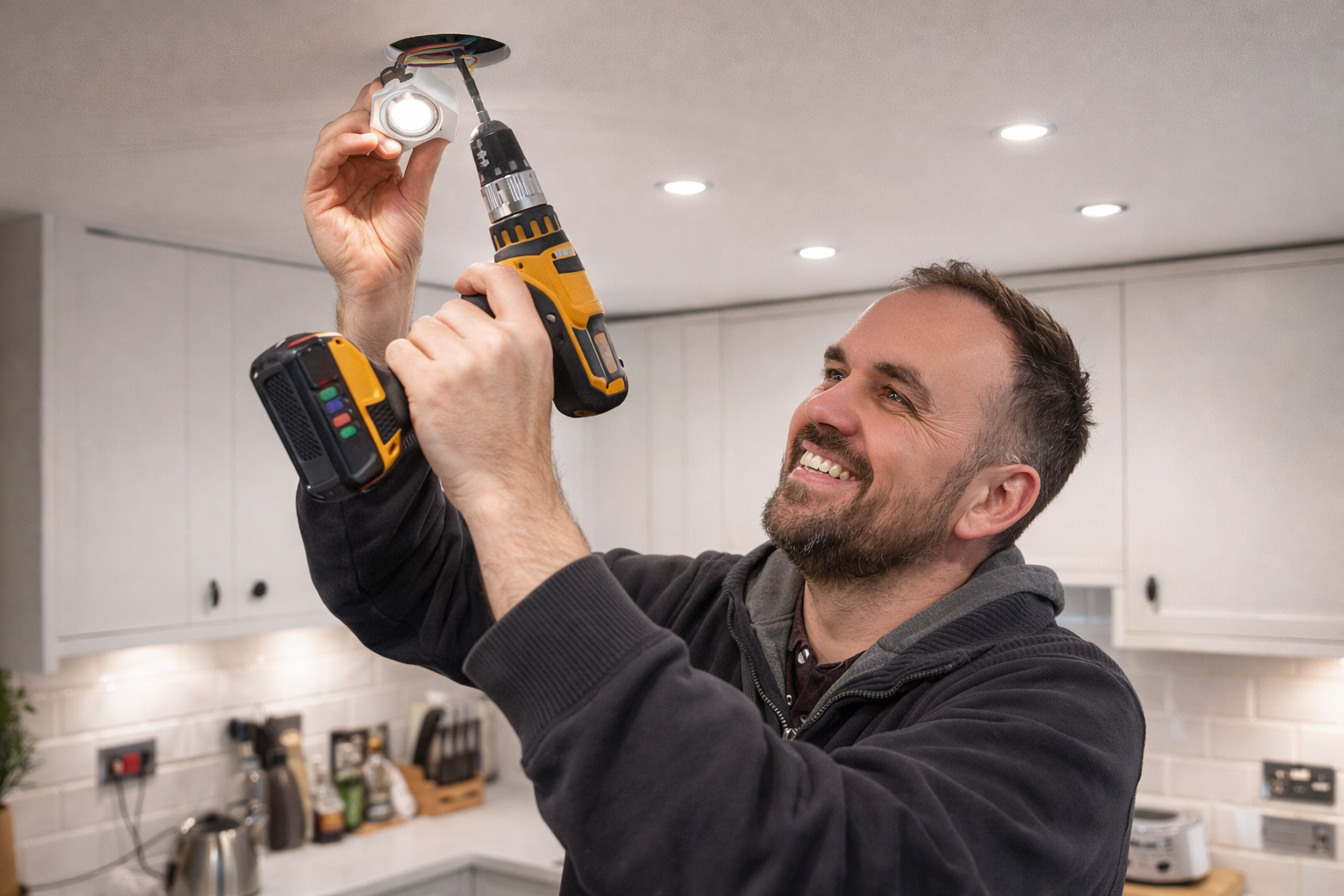
Home EV Charger Installation in Nottingham: Costs, Requirements & Installation Process
Your Existing Electrics, Installation Costs and the Work Involved Before You Book
If you're buying an electric car or have recently made the switch, you may be thinking about having a charger installed at home.
Being able to plug in on your driveway is convenient, but you'll want to know what's involved before booking the work.
Can your existing fuse board support a charger?
Will you need additional electrical work?
And why do installation quotes vary so much?
If you've got an older house, use a lot of electricity at home or want the charger fitted further away from the house, there may be a few extra things to check.
Understanding what an electrician needs to check, what affects the cost and how the installation works will help you plan the job and compare quotes.
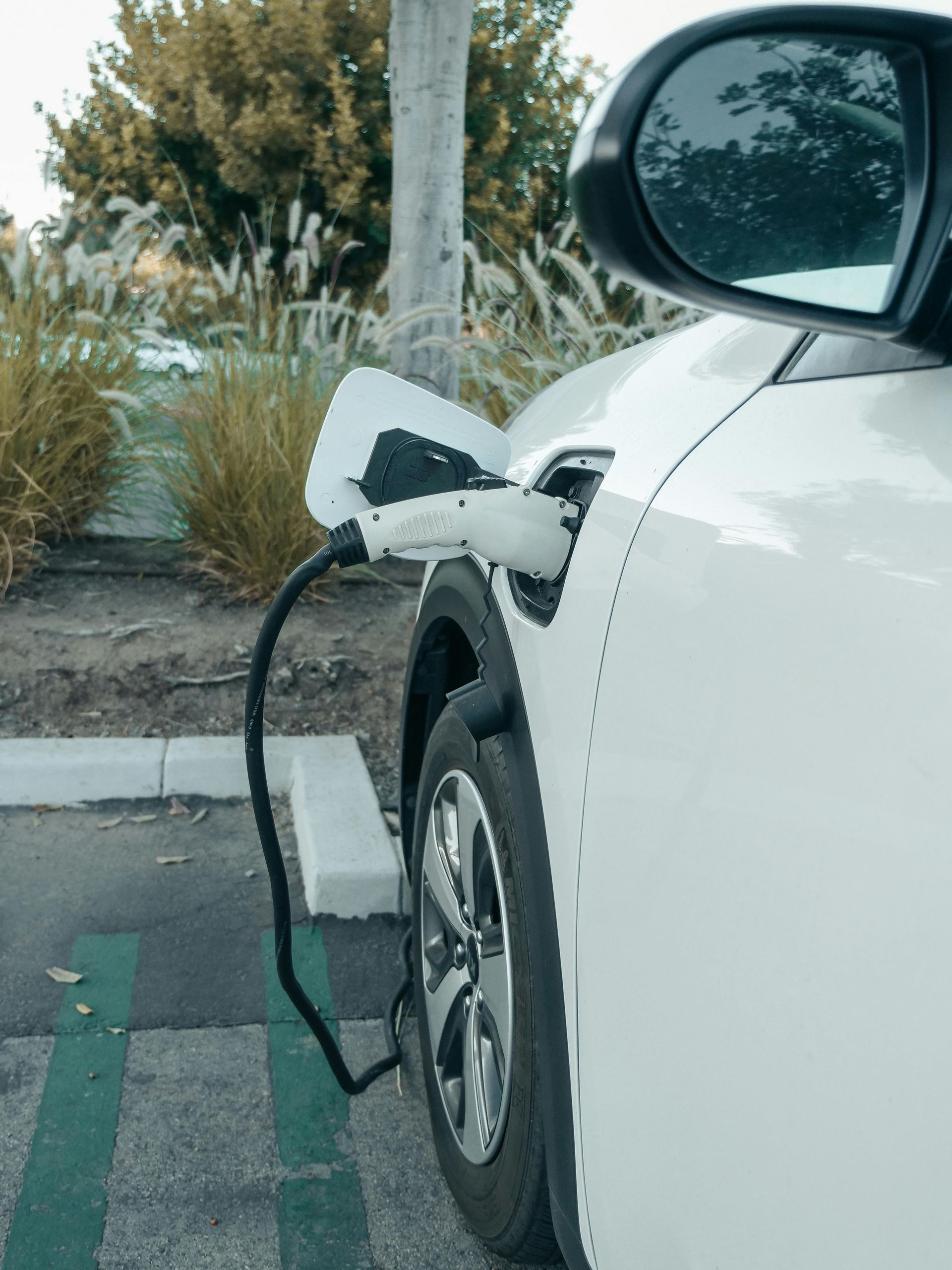
How Charger Choice, Cable Routes and Your Existing Electrics Affect What You're Quoted
The cost of installing a home EV charger depends on the equipment you choose and the work required at your property.
Two houses can need the same charger but have very different installation costs.
One might have a suitable consumer unit close to the driveway, while another requires additional electrical work or a more complicated cable route.
The main factors affecting your quote include:
- Charger choice: Models vary in price, smart charging features and whether the charging cable is permanently attached.
- Cable route: Longer runs, difficult access or underground cabling can increase labour and material costs.
- Existing electrics: Additional circuit protection, alterations or supply improvements may be necessary.
- Installation location: Fitting a charger to an external house wall may involve less work than supplying a detached garage.
Advertised installation prices often apply to standard installations.
Check what's included, particularly cable length allowances and whether additional electrical work would be charged separately.
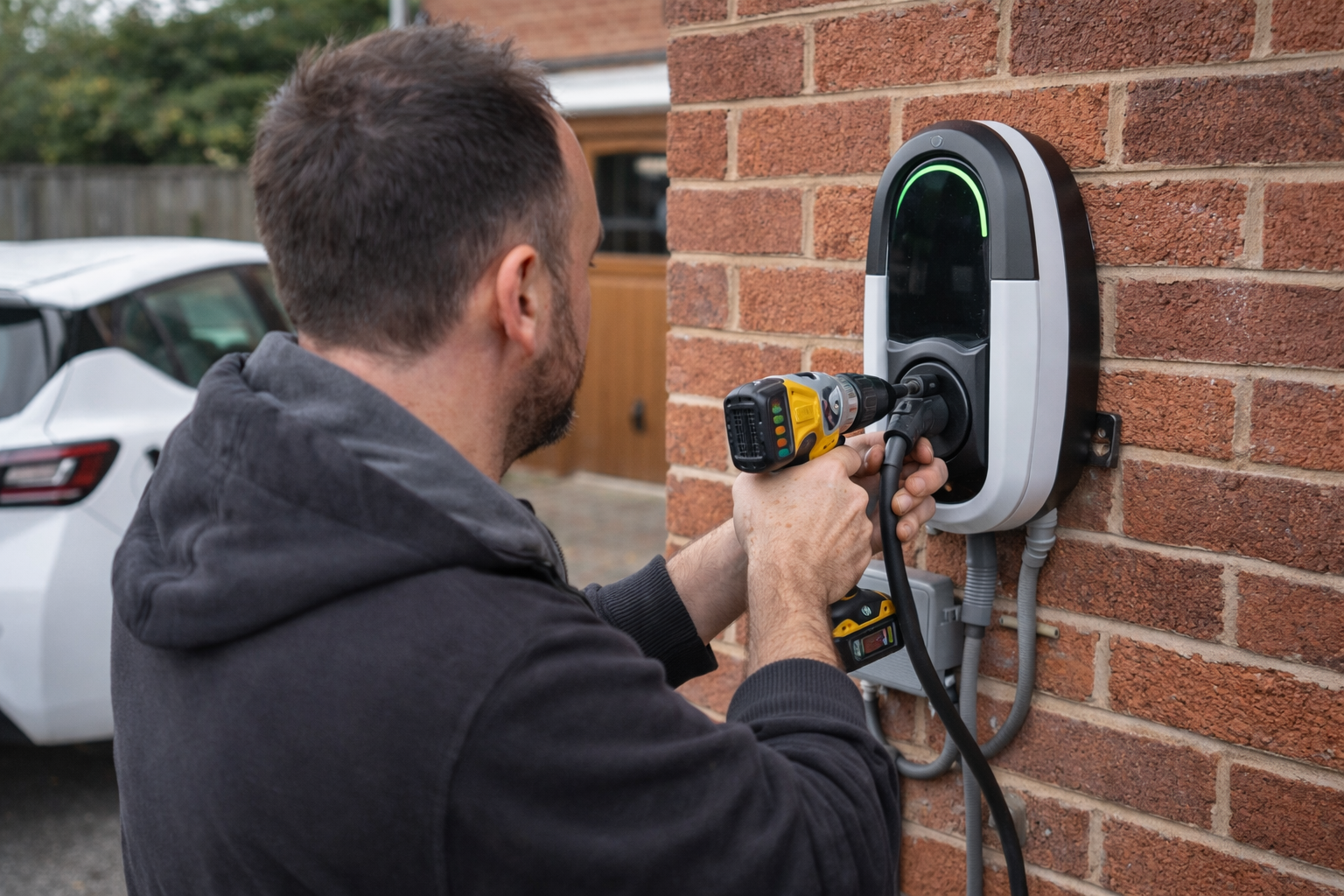
Whether Your Existing Fuse Board and Supply Can Support Charging Without Unnecessary Upgrades
Before installing a charger, an electrician will need to check whether your home's electrical supply can handle the extra power it'll use.
Current Solutions carries out electrical load and supply assessments to establish what your existing installation can support.
A 7kW charger is a common choice for UK homes with a suitable single-phase electricity supply.
However, the existing installation and household electrical demand must be assessed before confirming what's suitable.
For example, a home with electric heating, an electric shower or several other high-demand appliances may need closer assessment.
The electrician will also check the consumer unit, earthing arrangements and the circuit protection needed for the charger.
A home charger normally requires a dedicated circuit with appropriate electrical protection.
Depending on the existing installation and charger's design, this protection may be incorporated into the consumer unit or provided separately.
Where electrical capacity is limited, load management may be an option.
A compatible charger can reduce its charging rate when other appliances are using more electricity.
A complete fuse board replacement isn't a standard requirement for every installation.
Where changes are necessary, Current Solutions can assess your existing electrics and advise whether a fuse board upgrade or other domestic electrical work is required.
The installer will also establish whether the Distribution Network Operator (DNO), which manages the local electricity network, needs to approve the connection beforehand or receive notification afterwards.
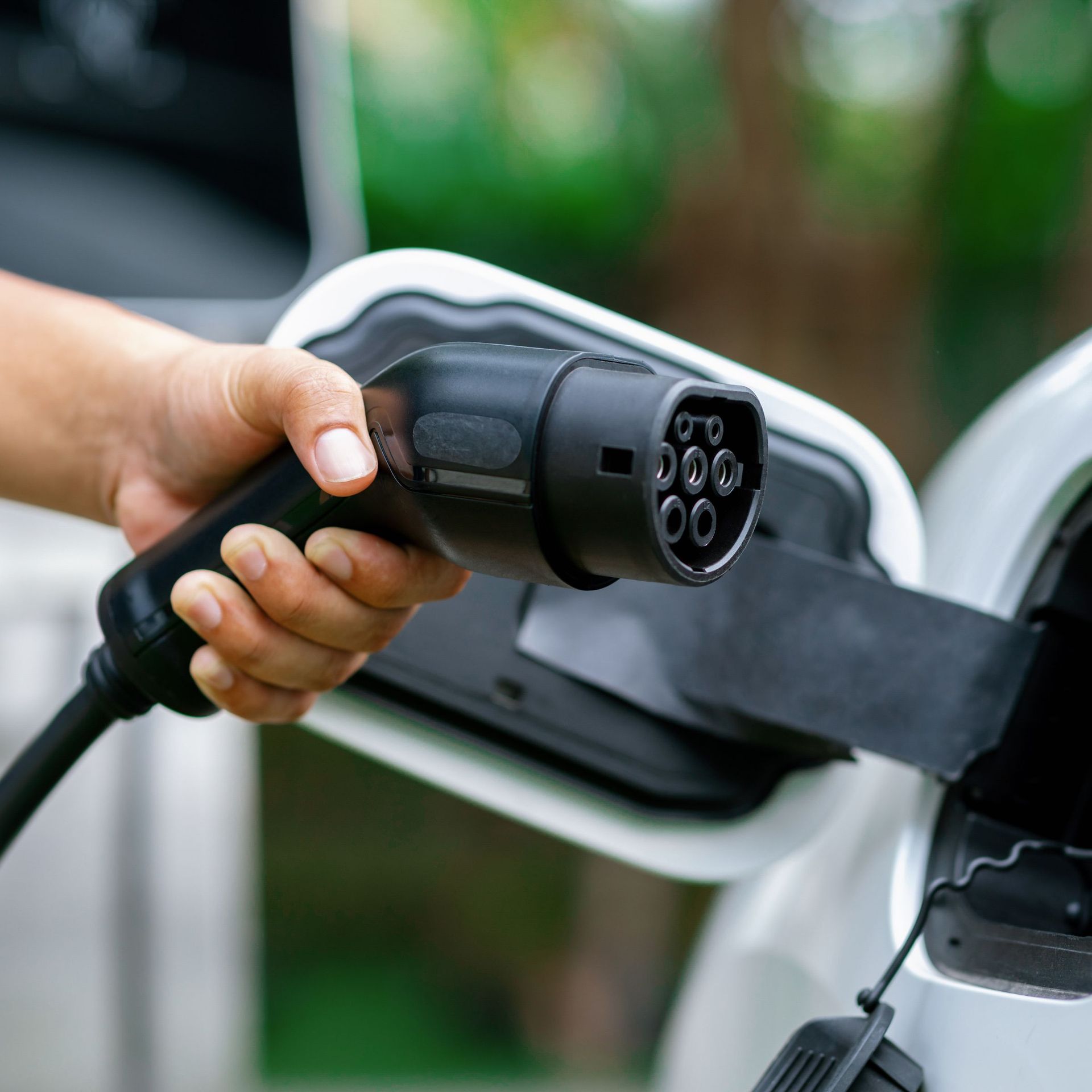
Plan Around the Installation, Know What Disruption to Expect and Have Your Charger Properly Tested Before Use
Many straightforward home installations can be completed within a day.
More complicated cable routes, groundwork or additional electrical work may take longer.
Your electrician will need access to the consumer unit, the planned cable route and the charger's location.
If your driveway is some distance from the fuse board, the work may involve longer cable runs, drilling or underground cabling.
Any disruption to the property should be discussed beforehand.
The charger doesn't necessarily need to be close to your fuse board, provided a suitable cable route can be arranged.
Your electricity may need to be switched off temporarily while connections are completed.
Once the charger is fitted, the electrician will carry out the required electrical inspection and testing, check that the charger operates correctly and provide the relevant certification.
Compare the Work, Materials and Testing Included So You Know What Each Installer Is Quoting For
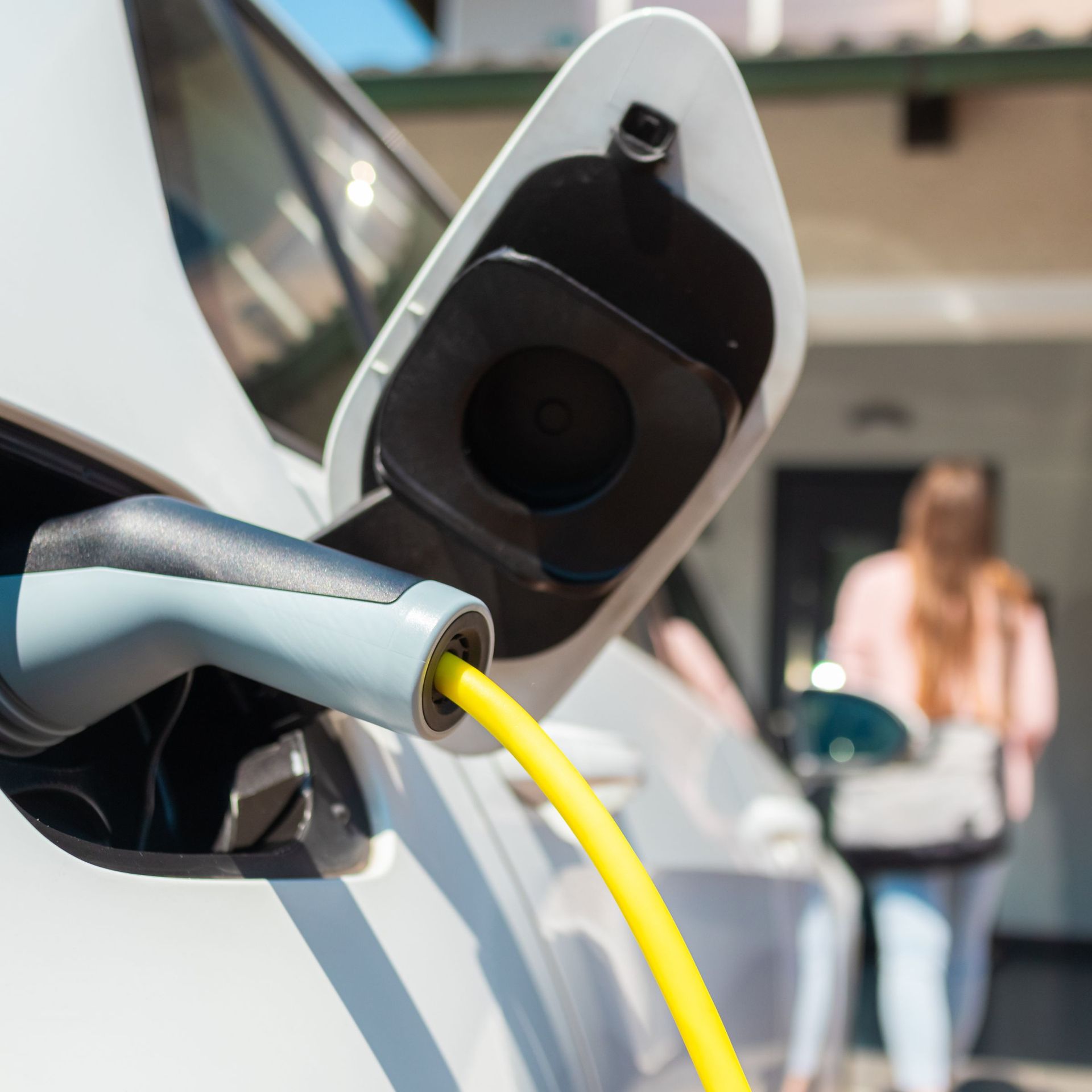
Before accepting a quote, check that it covers the work required at your property, rather than just the charger itself.
Ask whether the price includes:
- Charger and installation: The specified model, materials and labour.
- Cable routing: The agreed route, cable length allowance, drilling and any groundwork.
- Electrical alterations: Additional protection or changes identified during the assessment.
- Testing and certification: The relevant documentation and arrangements for DNO notification.
If extra work is recommended, ask what the assessment identified and whether there are suitable alternatives.
This gives you a better basis for comparing quotations than the headline price alone.
Your Home's Electrical Supply Assessed and the Installation Tested by a NAPIT-Approved Electrician
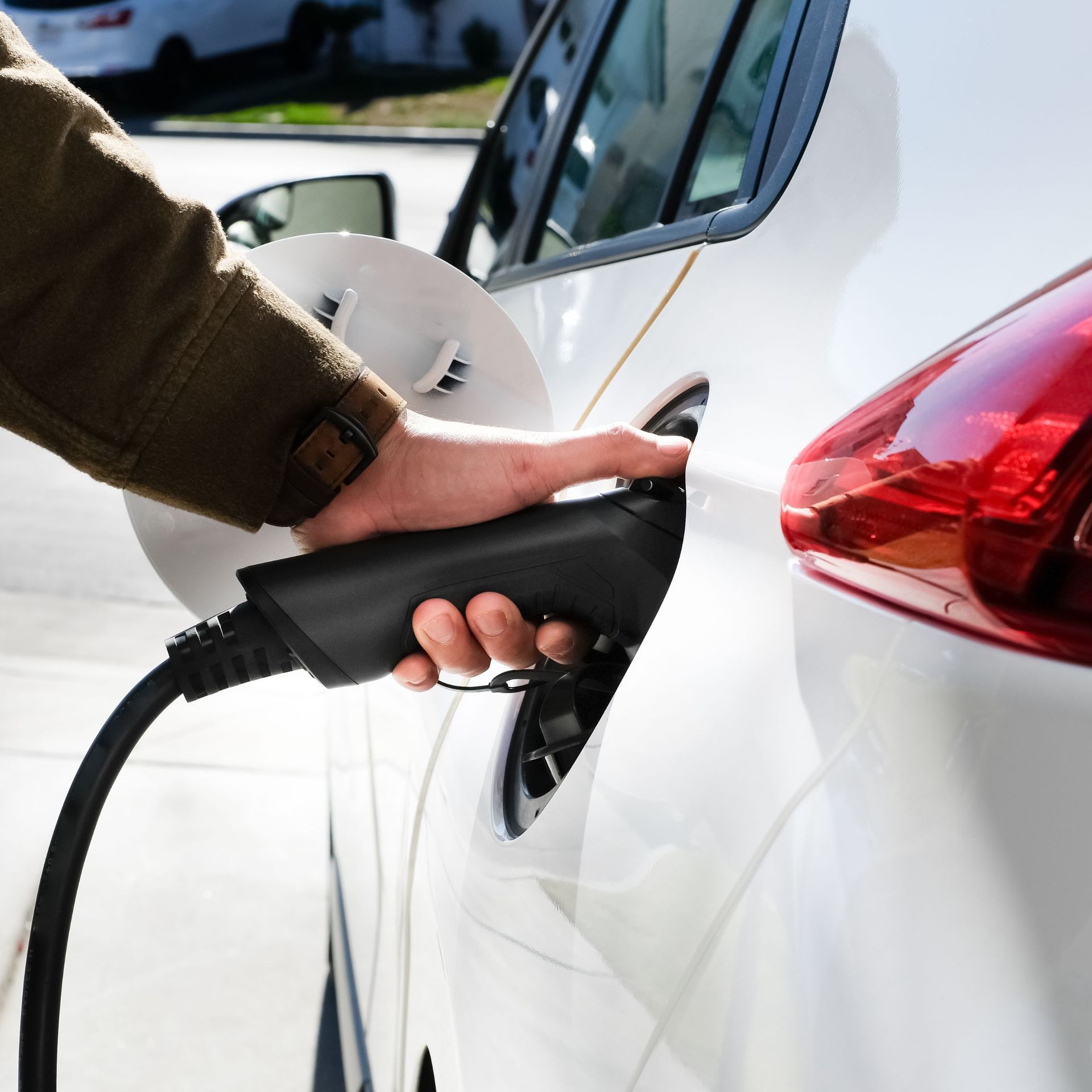
Whether you're fitting a charger beside your driveway or running power to a detached garage, Current Solutions can assess your existing electrics and plan a suitable home EV charger installation.
Here's what working with Current Solutions means for your installation:
- NAPIT approved, certified and insured: Your installation is carried out by a qualified electrician working to the relevant electrical regulations, with professional credentials you can verify before booking.
- Over 19 years in the electrical trade: Matt has worked with a wide range of domestic electrical installations, including older fuse boards and modern consumer units.
He can assess what's already in place and identify whether it can accommodate a charger or needs alterations. - Electrical supply and load assessments: Matt checks the capacity of your electricity supply alongside the demands of existing appliances.
Where capacity is limited, he'll assess whether load management is suitable or whether other electrical work is required. - Testing and certification: Before your charger is put into use, the new circuit and protective measures are inspected and tested.
You'll receive the relevant electrical certification for your records.
Current Solutions provides domestic electrical services across Nottingham and surrounding areas, including Beeston.
A Charging Setup That Suits Your Property, Your Parking Arrangements and How You Use Your Car
CAN I INSTALL AN EV CHARGER IF I DON'T HAVE A DRIVEWAY?
It may be possible, but charging a vehicle parked on the road requires additional planning.
An authorised cross-pavement charging solution may be suitable, depending on your property and the local highway authority's requirements.
You shouldn't run an unprotected charging cable across a public pavement.
Check what's permitted with your local council before arranging any work.
DO I NEED PLANNING PERMISSION TO INSTALL AN EV CHARGER AT HOME?
Most standard domestic installations won't need a separate planning application, provided they meet the relevant permitted development conditions.
Restrictions can apply to listed buildings, conservation areas and installations near public highways.
If your property falls into one of these categories, check with your local planning authority before proceeding.
IS A 7KW OR 22KW EV CHARGER BETTER FOR MY HOME?
For most UK homes, a 7kW charger is the more practical option because it works with a suitable single-phase electricity supply.
A 22kW charger generally needs three-phase electricity, which most domestic properties don't have.
Your car must also support the higher AC charging rate to benefit from it, so a more powerful charger won't necessarily charge your vehicle faster.
SHOULD I CHOOSE A TETHERED OR UNTETHERED EV CHARGER?
A tethered charger has a permanently attached charging cable, making it convenient for everyday use.
An untethered charger has a socket, so you connect your own compatible cable when needed and store it afterwards.
Both can work well at home.
The choice mainly comes down to convenience, appearance and compatibility with your vehicle.
CAN I USE SOLAR PANELS TO CHARGE MY ELECTRIC CAR?
Yes.
Some EV chargers can work with solar panels, allowing you to use electricity generated at home to charge your vehicle.
Not every charger offers the same solar charging features, and the amount of available solar power will vary.
If you already have solar panels, mention them when discussing your installation so compatibility can be checked.
CAN I CHARGE MY ELECTRIC CAR USING A NORMAL THREE-PIN PLUG SOCKET?
Some electric cars can charge using a suitable three-pin charging cable, but ordinary domestic sockets aren't recommended for regular, long-term EV charging.
Charging places a sustained electrical load on the circuit, and the socket or existing wiring may not be suitable.
A properly installed home charging point is designed for regular vehicle charging.
CAN I GET AN EV CHARGER INSTALLED IN A RENTED HOUSE?
Yes, provided you have the necessary permission from your landlord.
If the installation affects shared parking or communal areas, you may also need approval from a freeholder or managing agent.
It's best to establish who needs to approve the work before arranging an installation.
Planning a home EV charger installation in Nottingham? This article explains what affects installation costs, which electrical checks are needed and how the work is carried out. It covers consumer unit suitability, electrical supply capacity, cable routes, load management and installation timescales. It also explains what should be included in your quote, when additional electrical work may be necessary and what homeowners should expect from testing and certification.
Discuss Your Charger Location and Electrical Requirements With Matt Before Arranging the Work
Whether you're buying your first electric car or finally getting around to installing a home charger, you'll want to know that the work is suitable for your property and that you're only paying for what's necessary.
With over 19 years in the electrical trade, Matt at Current Solutions can assess your existing electrics, discuss the best position for your charger and identify any additional work before installation begins.
When you contact Current Solutions, you can discuss:
- Your preferred charger location: Where you'd like to charge and how the cabling could be routed.
- Your existing electrics: Whether your supply and consumer unit are suitable or any alterations are needed.
- The installation work: What's involved, what may affect the timescale and what will be included in your quotation.
Planning a home EV charger installation in Nottingham?
Contact Matt at Current Solutions for your free quote and find out exactly what's involved at your property.
NEED HELP WITH YOUR ELECTRICS?
From electrical faults and safety checks to installations and upgrades, speak to Matt about your project and find out what happens next.
Recent Posts